In my thirties, I rented an old Alaska fishing boat at a small marina for my new residence. There were a variety of pleasure craft and sailboats. Looking out the stern, I had a beautiful view of the bay, sensational sunrises, and stunning sunsets. Early one morning, the lived-in owner of a majestic ocean cruising sailboat moored beside me introduced himself. He asked how I was enjoying the marina and wondered if I knew the history of the fishing boat. I found little comfort in his enigmatic smile.
He wistfully looked toward the bay and shared that a woman newspaper reporter was the previous renter. He mentioned that my new home had been used for many years as a productive fishing boat in Alaskan waters by successful fishermen catching king salmon, silver salmon, halibut, and various other species.
Then, after a long silence, with an unfathomable smile, my new neighbor described how the boat occasionally quickly sank to the bottom of the marina and suggested the owner was a maritime slum lord. I pondered his comments for the remainder of the day.
From that day, early each morning, after waking up and holding my breath, I looked up at the small single porthole in the cabin to see if water covered it before breathing a sigh of relief. This was quite an adventure until I relocated to an inland apartment months later. This was one of the many unusual places I’ve lived in. I did miss the calm rolling motion of the water, sitting at the stern, drinking coffee, and enjoying the incredible views of the bay.
About 42 years ago I was taking a summer drive from Huntington Beach, Southern California to Santa Barbara on the central California coast to know better someone I had recently begun dating. When we arrived in Santa Barbara, we noticed a large banner showcasing the Santa Barbara Arts & Jewelry Fair.
Barbara was an excellent pen and ink artist. In addition to photography, I painted in pastel, watercolor, oil and acrylic. We were both interested in sharing a little time at the fair.
I followed the signs to a sprawling one story building. I parked, and we entered into the aroma of incense and the almost overwhelming sight of walls hung with large psychedelic posters. It reminded me of my time in the San Francisco’s Haight-Ashbury neighborhood. The counters on numerous open booths displayed a variety of handmade jewelry and paintings.
For me, it was like returning to the late 60’s and early 70’s. Many visitors and all of the sellers at the booths were dressed care-free in tie-dye shirts, miniskirts, halter tops, and patched jeans. Some like me wore shoulder-length hair. Yes, I was then and continue to remain an unrepentant long-hair hippie.
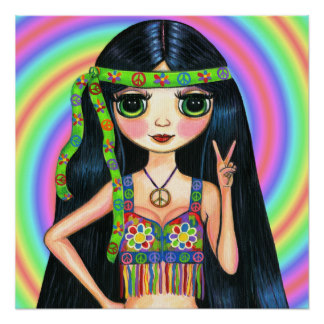
At the first booth, sat a natural looking young barefoot woman with a colorful headband over her long straight dark hair. A small Peace Sign Pendant with a leather necklace hung around her slim neck. She was reading a well-worn paperback book. “Cannery Row” by John Steinbeck as I recall, through her granny eyeglasses.
I noticed a delicate ring isolated on a little pedestal next to her. I was intrigued by the ring and the small artistically hand painted sign which read, “This ring free to show customers.”
As a counselor and energy worker for many years, I had heard from numerous people about their experiences with Reiki. Whenever I heard about something new that I could use to help people, I studied the process and attended the training to learn more. I decided to learn what Reiki was all about.
In 1998, I attended a weekend Usui Shiki Ryoho Reiki Level I, (Shoden) First Degree and Usui Shiki Ryoho Reiki Level II, (Okuden) Second Degree Practitioner Certification classes in Mount Vernon, Washington.
One essential element of Reiki training includes a process called attunement or initiation. It can be provided in private or as a group. Given several times throughout the training, it supports the Reiki Practitioner’s sensitivity to the energy and to a spiritual connection.
Midafternoon during the first day of the class the Reiki Master Teacher led me to a small room where she began the attunement. Part of the initiation is a tapping of the hands. At the conclusion of the procedure, she walked downstairs to get another student, and I took the opportunity to use the upstairs bathroom.
Between the time I left the room and the few steps to the bathroom, I noticed that blood was pouring out of both of my hands. I was concerned that the blood would pour over my hands onto the Reiki Master Teacher’s plush carpet. I just barely made it to the bathroom sink.
For many people, the 1950’s conjure up images of Rock-n-Roll, the Korean War, Sputnik, Jazz, “The Golden Age of Television,” and the sleek and classy cars. On February 3, 1959 “The Day the Music Died” a chartered plane carrying Buddy Holly, Ritchie Valens, and J. P. “The Big Bopper” Richardson Rock-n-Roll musicians crashed near Clear Lake, Iowa in foggy conditions killing everyone.
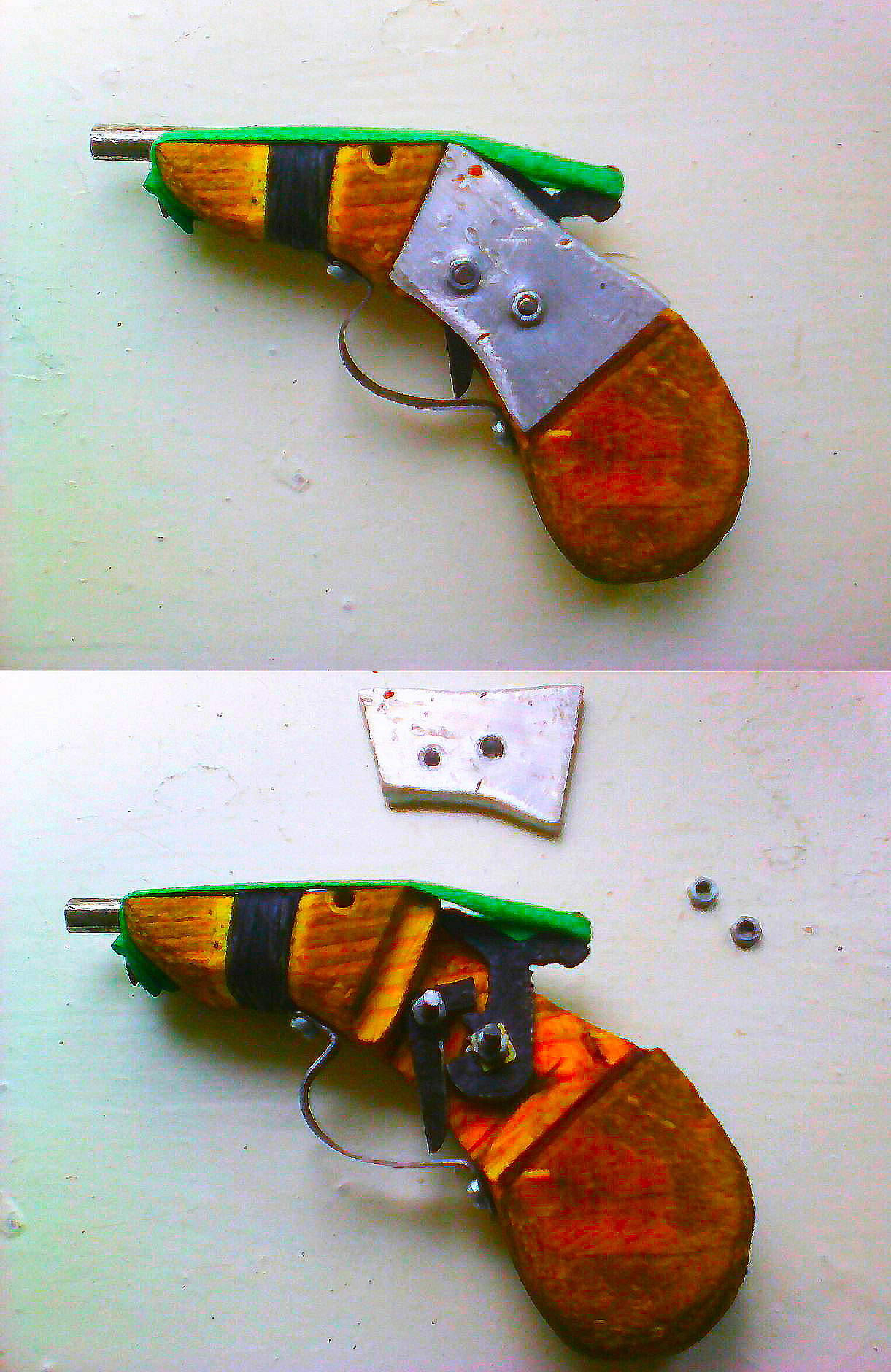
For me, 1959 conjures up memories when I was involuntarily recruited into the predominantly Chicano/Latino White Fence gang which was considered one of the most violent and powerful gangs in East Los Angeles, while I was living with my single parent family and attending junior high school. The White Fence was the first gang in East Los Angeles to use firearms, chains and other dangerous weapons. I remember having my homemade zip gun consisting of a metal tube taped to a wooden stock and firing a .22-caliber bullet.
Years ago when I was the Publisher/Editor of the Arizona Literary Review, a 64-page monthly literary art and photography magazine, we had an exclusive telephone interview with the actor, James Stewart. I was appreciative of the time we shared with such a generous and interesting person. He died a few years after the interview. I became curious about how he lived his life those last few years. Did he know how much time he had left? I know he was very active in saving elephants, and we ran a full back page advertisement without charge to promote his cause.
Since then, I have developed a curious habit of looking up the biographies of actors while watching old black and white movies. It is interesting to watch their performance while reading about their personal life. I read about their childhood, acting background, relationships, how and when they died. I find it fascinating to know how much longer they lived after they made the movie. What captures my attention is contemplating what they did not yet know. How many more years they had to live. Did their lifestyle, such as drinking or smoking contribute to their death? What would they have done differently? There are times that my heart goes out to the actors who did not know what their future holds for them.
I wonder what it would be like if each of us knew this quality of information during our own life. What would our decisions be and how would they be different? How many of us would want to know this information in advance?
I visited a website called The Death Clock and took their death test. The site provides a friendly reminder that life is slipping away… second by second, reminding you just how short life is. My results? According to the rather unscientific website I have until Saturday, June 4, 2022. Now that just does not seem nearly enough time! It might be wise to live as though I only had those few years left (or less) and live passionately with a foundation of compassion for all living things.
Oscar
The New England Journal of Medicine published a fascinating article on July 26, 2007, A Day in the Life of Oscar the Cat, by David M. Dosa, M.D., M.P.H. Dr. Dosa is a geriatrician at Rhode Island Hospital and an assistant professor of medicine at the Warren Alpert Medical School of Brown University — both in Providence.
Oscar the Cat, was adopted by staff members of Steere House Nursing and Rehabilitation Center in Providence, Rhode Island as a kitten and bailed him out of a nearby animal shelter. He has had an uncanny ability to predict when residents are about to die. Thus far, he has anticipated the deaths of more than 25 residents.
While I was growing up my brother, eight years older than me, would sometimes buy me gifts that he especially liked, for Christmas when he had some extra money. Whether it was a box kite or remote control car, he would always demonstrate the proper way to use it without giving me an opportunity to try it first. He would set it up, try it out, and then promptly break it before I even had a chance to try it out myself.
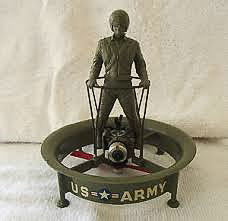
One Christmas when I was in elementary school, I decided to change this pattern. He gave me a gift of a plastic soldier on a gas-powered flying hovercraft platform that came with a remote control. He set everything up, fueled it and just before he launched it, I grabbed the remote control and immediately sent it straight up as high as it would go. While he watched, his mouth open in shock, I decidedly powered it straight down into the alley asphalt until it hit with a terrific explosion. He remained standing with his mouth agape; he turned and looked down at me shaking his head in stunned disbelief. I smiled and walked away delighted. This was the last Christmas gift he ever bought me, and the best Christmas I ever had as a child.
When I was a child around six or seven years old, a large circus came to town. Somehow, I found my way to the fairgrounds and spent the day talking to the owner and various circus performers. Aside from some potential manipulations and harm that I did recognize may exist but did not feel threatened by, I decided to run away with the circus when they left town.
My home life included some challenging and abusive situations so I figured the circus could not be worse and might offer some promise of better times. Either way, I knew it would be an adventure. What I was too young to comprehend was that this could be a life transition.
I ran all the way home, collected a few small belongings, and then as I was walking out the door my older brother physically stopped me and ultimately kept me from joining the circus when it left the next day. My brother or any family member for that matter rarely paid much attention to what I did. Not even when I roamed the streets of East Los Angeles most nights and early mornings as I had my own bedroom door to exit out to an alley. It is ironic my brother would stop me at this time.
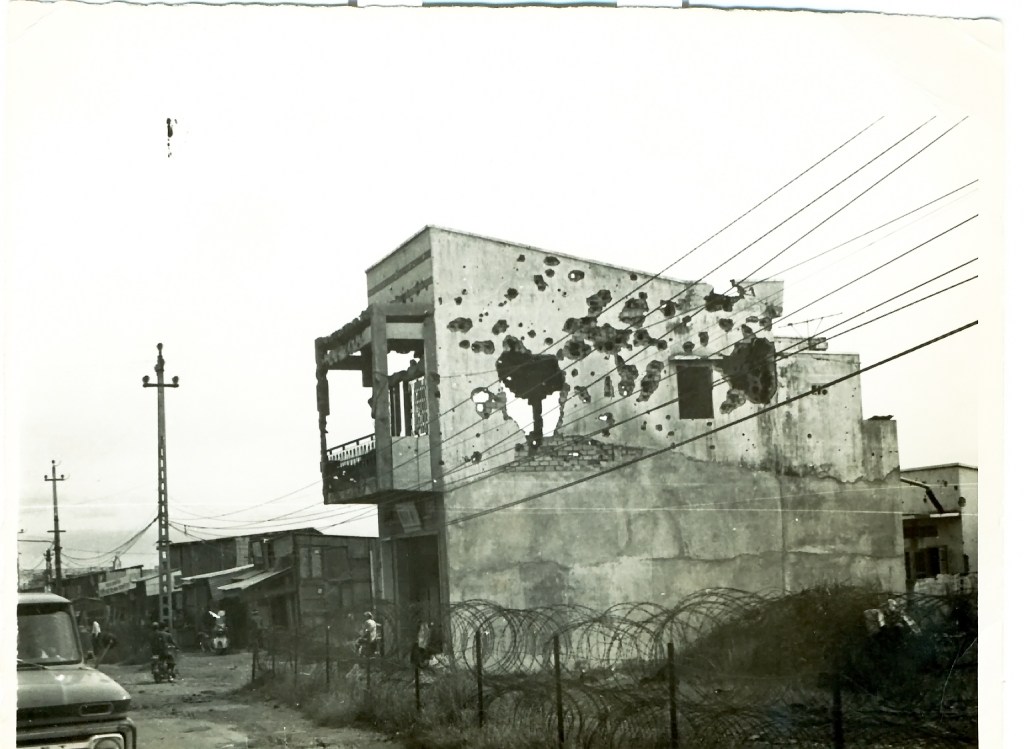
I always wondered how my life would have evolved had I run away and joined the circus. Nevertheless, I was not at a loss for many other adventures throughout my life including recruitment into a gang and later a tour of duty in Vietnam.
Life transitions play a significant and often meaningful time in our lives. Each transition whether it is running away, moving, beginning or ending a relationship, health crisis, picking a college major or selecting a career, generally offers an adventure.
There is no escaping our life transitions. Most of the time in hindsight, we would not want to. Transitions are all about change. Change is all about life. How we choose to embrace the changes determines what we bring to our life and those we touch.
The poignant image of the mother and child at the cemetery is profound and heart-wrenching.
As a Vietnam Veteran, Memorial Day is more than having a day off. It is a day like every day, remembering the Veterans, the military people who gave the greatest sacrifice, their lives, and all military families who give so much.
I believe that in many ways, I shall always be one heartbeat away from my fourteen-month tour of duty in the war.
In a reflective state of mind, I was thinking about my childhood in East Los Angeles, California, all too many years ago. Our single-parent family lived in the home owned by her mother, and it was adjacent to an alley. My bedroom had a private exit.
For several years, beginning when I was around six or seven years old, I would sneak out the door and walk around the city streets after everyone went to sleep. I developed somewhat of a routine walking into cafés that remained open 24 hours, hanging out around the bars, and going to the railroad tracks. It was nearly 35 years before I mentioned these explorations to an older family member who was completely surprised and shocked.
I became known by the kind waitresses who worked at the diners and bars, who would make me hot chocolate during the frigid evenings and early mornings. I could also count on a ham and mushroom omelet for breakfast. A few of the waitresses prepared a grilled cheese sandwich, which is still my favorite today. I did not give much thought to why they did this for me, and I never took it for granted.
Thinking back on it now, they must have thought I was a street urchin without a family and wanted to provide me with some nurturing and a meal. I was a scrawny, skinny unkempt kid with a mishmash of old worn clothes and sometimes slippers. During the several years of roaming the streets, I looked forward to my connection with these kind hearted women.
Other notable people in my life during these formative years were the train-hopping people with the hopes of finding better prospects on the road. They shared stories about some in their community who lost limbs trying to catch a boxcar. And how in freezing weather, they often would nearly freeze to death.
I learned how they would hide along the tracks. They’d run along the train as it gained speed, grab hold and jump into open boxcars. Sometimes, they missed. Many lost their legs or their lives.
They developed a system of signs — scrawled on fence posts and train crossings — to communicate vital information to fellow travelers. I think that they all had nicknames within their extended community, including an honorary one for me.
Becoming friends with them over time, I shared many early mornings and late evenings with this community, eating meals cooked on a campfire or over a metal barrel. I found them very generous especially given the little that they had. I was fascinated with their stories and the songs.
I met numerous families who found themselves lost in less than desirable areas and needed directions back to the nearest safe hotel or freeway. During my walks along the city streets, there were many times that my path crossed with men or women. It was friendly if we connected before. With an initial caution for a first time meeting, we nodded and continued on our way.
Sometime in the future, I may share more of my experiences on East Los Angeles’s streets. Perhaps, in my memoir.
I never felt afraid as it was a grand adventure for me. I rarely felt endangered by anyone I met late at night or early in the morning. I most likely exhibited a mixture of naïveté, curiousness, and cockiness. I imagine that’s where I developed my “street smarts.”
Years later, while dating a high school girl, I shared my experiences on the streets and with the people she derided as hobos. I said how I missed the people living near the tracks and the lifestyle.
She looked me up and down at my typical lack of fashion and said, “Well, you dress like you are a hobo, so you’ll fit in!” I must admit that encouraging her to move on to someone else was satisfying and made me miss my train-hopping friends all the more.
I remember a special experience I had at Yosemite National Park in California when I was a child. It was around 9:00 P.M. during the summer and I heard a man at Camp Curry call to Glacier Point. “Hello, Glacier!” Then the man at Glacier Point called down with a faint echo, Hello, Camp Curry!” The man at Camp Curry then said, “Let the fire fall!” Then I barely heard, “The fire is falling!” I saw a glowing waterfall of sparks and fire start at the top of a distant mountain and watched as it fell for about 30 seconds.
Later I learned that someone pushed a large bonfire of red fir bark evenly over the edge of the cliff, appearing as a waterfall of fire as it cascaded about 4,000 feet down the mountain. This was the tradition of the Yosemite Fire Fall.
I was so into the fire fall that at first I did not notice a girl about my age also standing alone beside a large tree watching the burning bonfire lighting up the mountain in the darkness. I cannot really explain how it happened but I found that when she and I apparently gravitated toward each other we were side by side, as the fire fall was nearing its end.
We looked at each other speechless after such a wonderful experience and lightly kissed each other on the lips. Then we turned and each ran away as fast as we could in the opposite direction. I never saw the girl again but the combination of the incredible fire fall and my first kiss endeared me forever to the glorious power of nature.
I was living in a nice one-bedroom apartment in California when I noticed a young woman about the same age who lived in the complex. I had never seen her with another person, and I was single. We occasionally passed each other while walking to the parking lot, and I attempted to greet her with a smile and hello. She never responded and kept looking ahead and walking. I was determined to get a hello or a smile eventually, and each time we passed, I tried connecting, and she never responded.
Eventually, one morning, she smiled as she continued walking. A few weeks later, she smiled and said hi after my greeting. I was encouraged by the progress and perhaps a potential friendship or more.
A few months later, on a sunny California weekend afternoon, I was working on an oil painting on my easel in the living room when I heard a knock on the door. I opened the door, and there she stood in a beautiful sundress, hair coiffed nicely with an engaging smile. I was so surprised that I remained at the door, silent, with a gradual emerging smile.
She asked if I could do her a favor. After finding my voice, I assured her I would. She asked me to follow her back to her apartment and I realized she lived closer than I thought. She pointed to her upstairs apartment on the third level. I was hopeful she was inviting me in for a conversation. With a knowing, concealed grin, I believed my determination to have her smile and say hi was finally making a difference.
She then pointed to several large boxes behind some bushes at the bottom of the stairs. She pleadingly asked if I would please carry them to her third-floor apartment. With a sigh, of course, I agreed, and as I lifted the first box, I was surprised by how heavy it was.
Looking down a bit, she told me they were a complete cast iron weight set she had purchased to surprise her boyfriend on his coming birthday. I was grateful to be in excellent shape from running many miles daily, and I wished I had added some upper body building. Carrying the last large box and trying not to look as exhausted as I felt, I placed it on the floor.
She offered a grateful thanks while giving me her biggest smile yet.
Slowly walking back to my apartment, looking forward to resting on the couch, I just shook my head and smiled.
Many years ago, after my military service, I enrolled in the college I was drafted from and moved into an apartment in the university district in California. At the time, one of my best friends mentioned she knew the stoners who lived next door. I had a full load of classes and seldom saw my neighbors. Knowing that the meaning of a stoner is a person who habitually uses drugs or alcohol, I believed they had an addiction. A few months later, my friend asked me if I met her friends, the nice Stoner family.
While I was in my 20s, I was enjoying an outing at Saguaro Lake, Mesa, Arizona, with my wife in our 26’ boat. While exploring along the shore, I observed a Bull Snake gliding along the water, appearing to be exhausted. I carefully picked the slippery snake up and placed it in a large white bucket. We continued on our way to the marina to fill the tank with fuel.
After refueling, I untied the line from the dock when several hippie-looking young men and women approached us, reminding me fondly of pleasant times in the ’60s. A young man asked if we would take them to pick up their friends on the other side of the lake. I agreed.
We arrived at the beach, where many of their partially dressed friends quickly filled the small boat beyond legal capacity.
I chatted with a few of our passengers and docked the boat back at the marina. Everyone was gracious with their thanks as they stepped on the dock and wandered off. One of the young men handed me $20. I said it was unnecessary as I had plenty of fuel and was happy to help them. He strongly insisted and walked away. I noticed the empty bucket and turned to show my wife the money. The snake was gone. I guessed the money was for the Bull Snake they took.
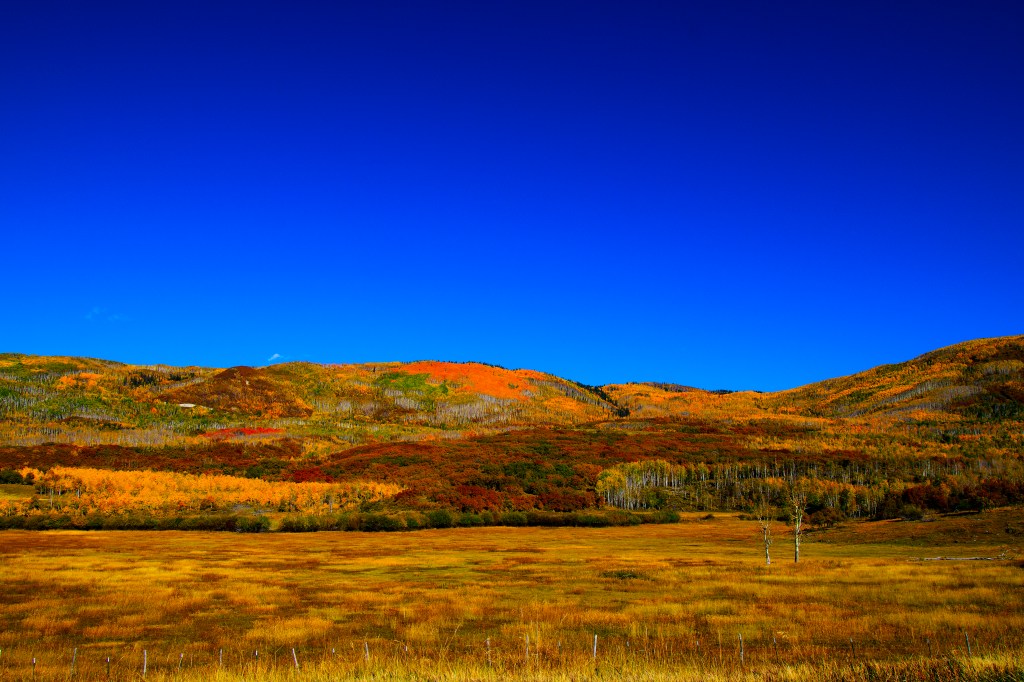
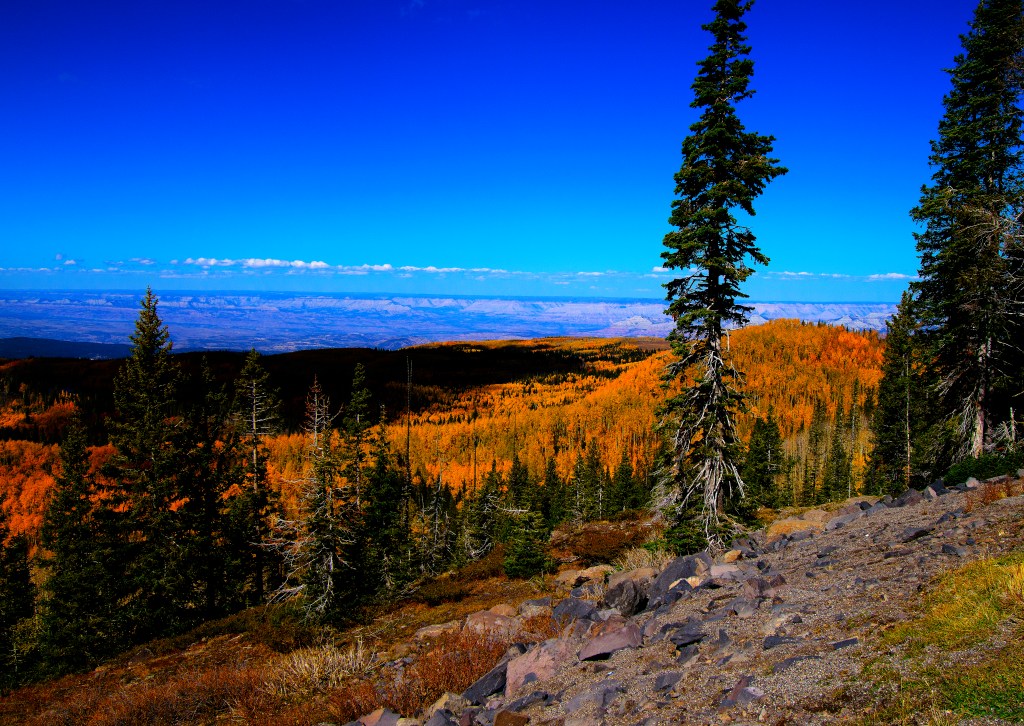
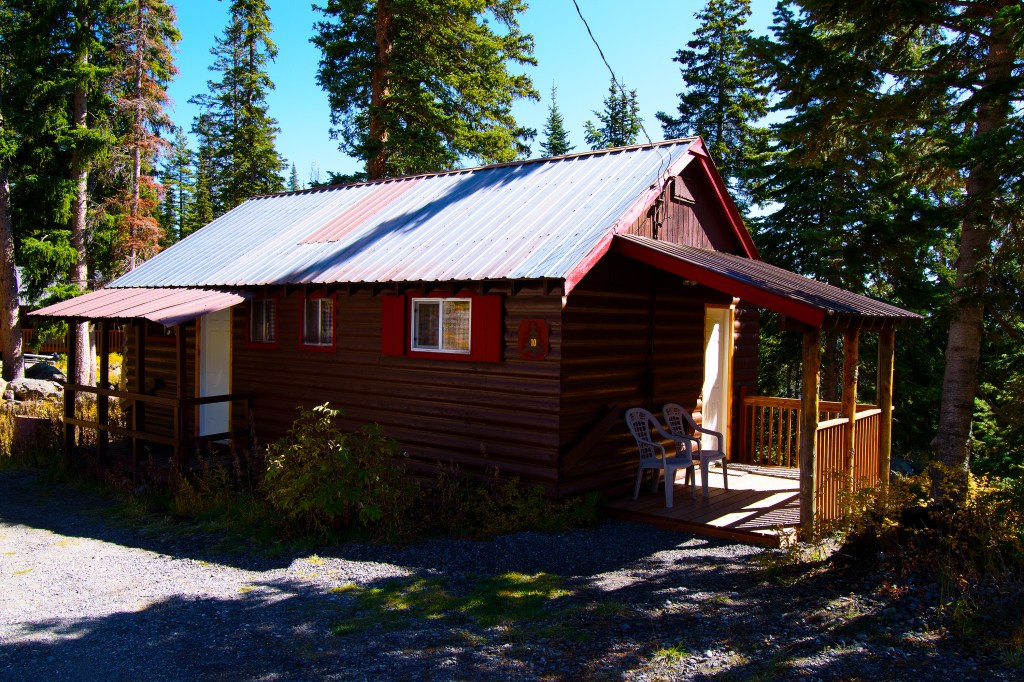
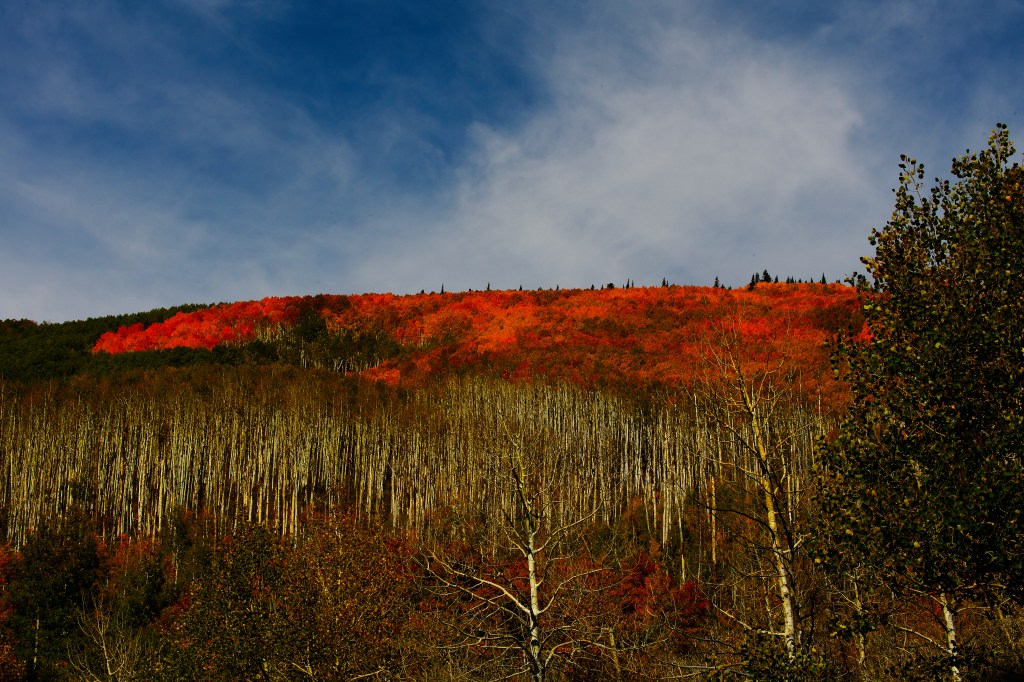
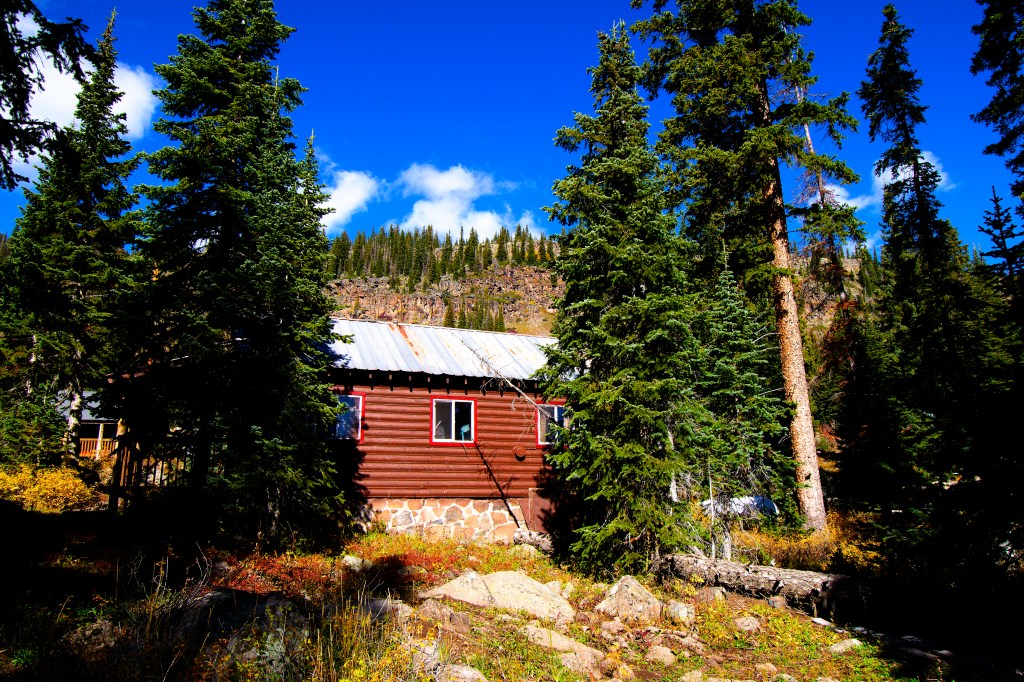
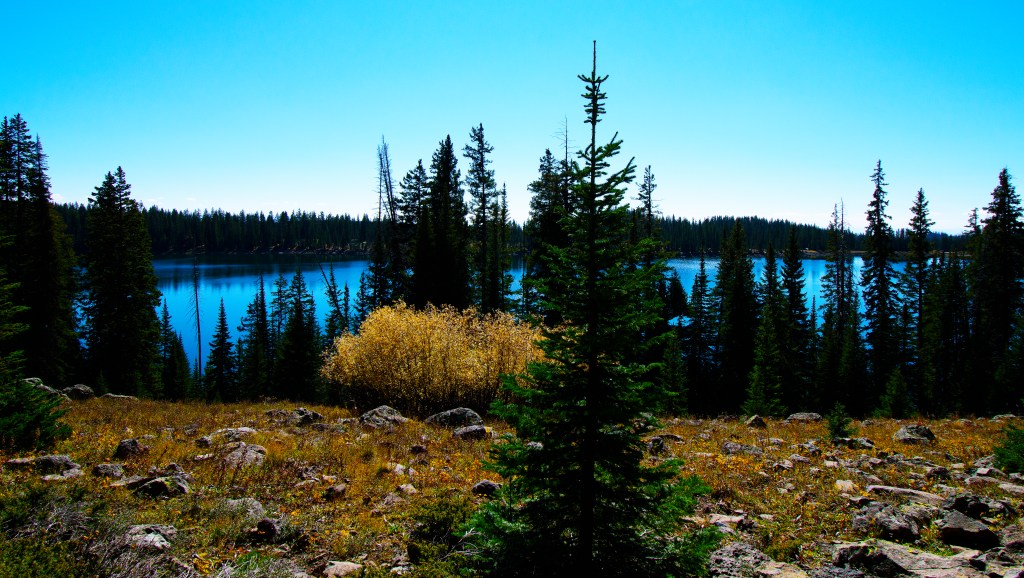
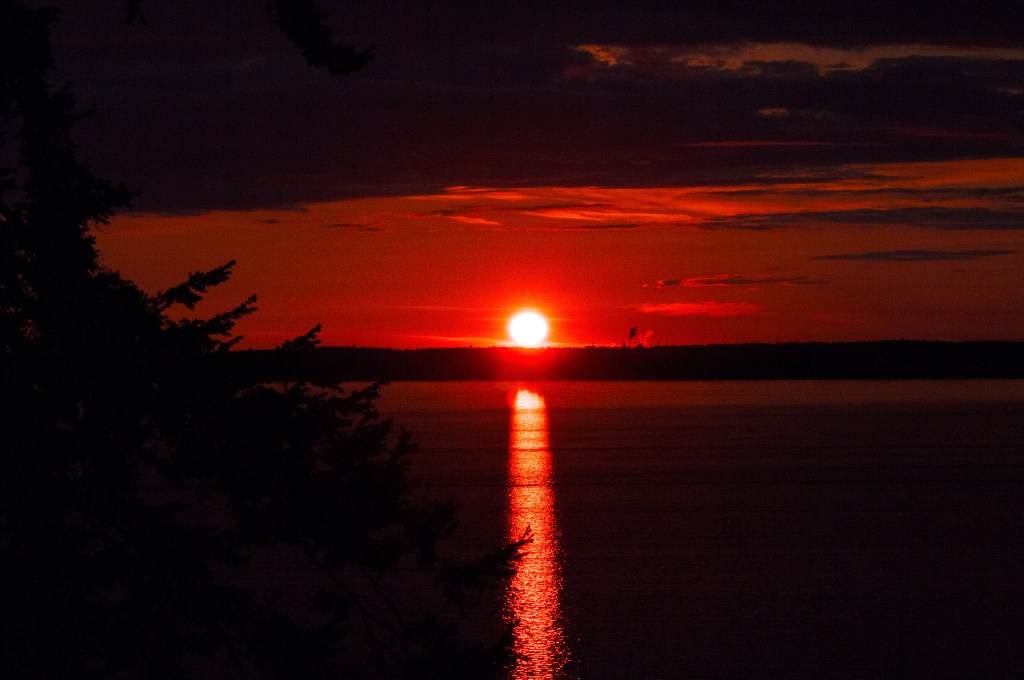
I was at my cabin I rented in the mountains around 10,500,’ for my 73rd birthday and I took these quick photos for fun. They include the cabin and a lake I walked down to on a very steep path to the boat dock—a bit of a challenge with my heavy camera equipment. I also photographed a colorful overlook, a trail I hiked, and surrounding Fall scenery. Although I did not take any photos I observed numerous Mule Deer throughout the day.
I was dating an adventurous woman years ago, and we wanted to spend an evening of romantic time in nature. Finding the lake primarily to ourselves, we decided to enjoy swimming nude for the first time. We both enjoyed the skinny-dipping freedom under the stunning sunset. While swimming to keep warm, I mentioned how I used to fish for Largemouth Bass in the lake. She asked what I used for bait. I told her about several of my favorite large lures. Smiling conspiratorially, she suggested it would be prudent to head back to shore.
This is a follow-up to yesterday’s Veterans Day. I was at a small market this afternoon to pick up a few things I needed since I don’t shop as often as I used to since the COVID-19.
I was waiting in line about three 6-feet lengths from the register. There was a woman with a young boy at the register and the cashier was tallying her items.
I saw her lean down towards her son and heard her say, “See that man with the Vietnam Veterans cap. He is a Veteran, and we appreciate our Veterans and what they’ve done for all of us keeping everyone in our country safe. I would like you to go over there and personally thank him for being a Veteran and for everything he’s done for us.”
I instinctively turned around to see if she was talking about someone behind me, but there was no one there. Then I remembered I had put on my Vietnam Veterans ball cap before leaving for the store since my hair was a mess.
The young boy looked at me, smiled shyly, and then strode past those in line until he stood next to me. He looked up at me and into my eyes and said, “Thank you for being a veteran and for serving our country and keeping us safe.”
I thanked him very much for what he shared. I wanted to make it a meaningful experience for him.
When I first came back from Vietnam, like many Veterans, I was not greeted warmly. Nonetheless, over the years, people gradually acknowledged my service and I would sometimes hear a thank you for your service or even occasionally a welcome home.
Having a parent encourage their young child to acknowledge a Veteran, including walking up to me and thanking me, was a first. The only time I observed this was on a television movie. It meant a lot to me, and more importantly, I trust it meant a lot to the young boy.
I finally got up to the register; the cashier totaled up the amount, and I paid. I was getting ready to push the cart and leave the store; she looked at me directly in my eyes and said, “We really do appreciate what you Veterans have done for us.” I held her gaze a few seconds; we both smiled, and I thanked her and walked out of the store feeling somehow more blessed.
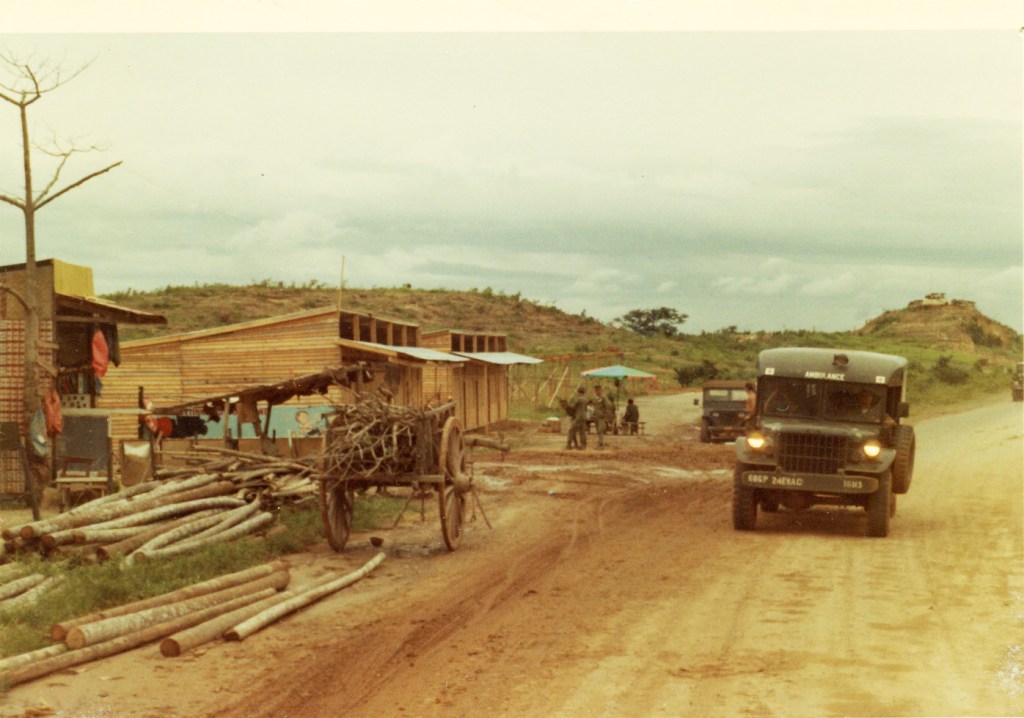
How do I spend my time on Veterans Day? I think back to my 14 months US Army tour of duty from 1969 through 1970. I browse through a few photographs that I took of some of the things I observed and photographs my friends took of me.
Although painful at times, I listen to 60s music that we played during the war, which brings back visceral experiences. Each song pulls out my heartstrings, and I’m suddenly back in the country as if I’ve never left.
Being single and with the COVID-19, I am spending this day alone in my small mountain ‘cabin’ in Cedaredge, Colorado. It is only about 20 minutes to the top of the 11,000-foot mountain. I am editing some of my novels and nonfiction books when I’m not preoccupied with reflecting on my time during the Vietnam War.
I think of some of the soldiers, military doctors, and nurses I served with and those who sacrifice their life in service of their country.
As a Vietnam Veteran, Veteran’s Day is not about having a day off to play. This is a day for me like every day, remembering the Veterans, the military people who gave the greatest sacrifice, their lives, and all military families who give so much.
I believe that I shall always be one heartbeat away with slivers of shrapnel from my tour of duty in the war in countless layers.
Having Veterans Day and Thanksgiving in November gives us the opportunity to be grateful for what we do have, including our thankful, our freedom thanks to our military personnel.
The Times They Are a-Changin’ is a song written by Bob Dylan and released as the title track of his 1964 album of the same name. Dylan wrote the song to create an anthem of change for the fluid times. The ‘60s! What a significant decade of change for our country. What dramatic unforeseen life changes ahead for me.
In 1960 while living during turbulent times in racially embattled East Los Angeles, California, the White Fence, one of the most violent gangs at the time recruited me. It wasn’t that I had options about being in the gang. Nevertheless, life then was more about daily surviving all the other combined gangs. When the White Fence recruited me I knew their violent reputation even intimidated the other gangs so I embraced the process. I spent many months learning their criminal activities while initiated into the gang. I carried a Zip Gun that fired a .22-caliber bullet, and I had a large switchblade knife. I remained in the gang for two years losing my innocence once again until my single parent family moved out of the area. If I remained in the gang I can only imagine how my life would have changed.
I was first drawn into politics when John F. Kennedy became the 35th President of the United States on January 20, 1961. Like so many other people, I was drawn to his charismatic speeches and inspirational approaches to life. Always curious, I wrote President Kennedy a lengthy letter requesting information about our military forces. I received a prompt letter from Robert McNamara, his Secretary of Defense, who said he was forwarding me boxes of military information, and photographs per the President’s orders. That was an understatement! Years later I donated all of this military material to a local library which filled up several large sections. On November 22, 1963, I had once again ditched high school, and I was back home alone watching television, when I heard about the assassination of President Kennedy in Dallas, Texas. Like many Americans, it is a day I will always remember. I knew that this represented a major change in the country. On many levels, I experienced numerous changes.
I remember as a teenager in 1962 during the Cuban Missile Crisis, how quickly the local grocery store was empty of groceries and supplies. Most people kept their television tuned to the news which provided an hour by hour update of the impending war with the Soviets. There was fear in the air wherever you went. Daily, we all wondered how imminent the world was to a nuclear war. Any sudden flash of reflection in the sky bought our breathing to a momentary halt and our heart beating so hard we couldn’t hear ourselves think. Our teachers conducted air raid drills where they would suddenly yell, “Drop!” We were expected to kneel under our desks with our hands clutched around our heads and necks. I didn’t believe that the “Duck and cover” method of personal protection against the effects of a nuclear explosion was going to make a difference. It didn’t help that I had black and blue bruises on my knees and forehead hitting the desk from the constant drills. I simply remained seated or standing much to the consternation of the teachers. I took the time to think about how serious this all was and even without a nuclear war, how the world already changed and that it would never be the same. And, the world never was the same.
The counterculture of the ‘60s was an unsurprisingly powerful expression of a desire for cultural change. I felt this intimately, and I responded with deep philosophical thinking. In some ways, I was counter to some elements of the counterculture. Turn on, tune in, and drop out was the theme that inspired many and nearly everyone I knew. I did chew on an unlighted corn cob pipe briefly as a Freshman in high school. Nonetheless, unlike most of my peers, I’ve never smoked cigarettes, marijuana, got drunk or tried any drugs. I did grow my hair long and I still do. Recently I was photographing wildlife at the Colorado River and a Park Ranger briefly glanced at me and said, What can I do for you, ma’am? I scratched my two week’s growth of beard and replied politely, It’s sir, not ma’am. He was embarrassed and apologized. Relatively new to Colorado, I guess men with long hair is a bit uncommon. During the ’60s, I dressed in comfortable Hippy clothes which I continue to do. I’ve photographed at the iconic center of the Flower Power movement at the intersection of Haight and Ashbury streets in San Francisco, California. My current Flower Power consists of a house full of plants while dancing to songs from the ’60s as I nurture the receptive plants with water.
My first car while in high school was a used 1957 Triumph TR10 4-door sedan. I remember my girlfriend’s parents purchased a new Ford Mustang 2-door convertible for her at the cost of around $2,615.00 in 1964 which was considered expensive at the time. I can tell you, given the current monthly payments on my one-year-old Toyota Camry, things have changed.
I recall that in 1965 as a high school Junior, I doubled-dated and we watched the amazing performance of the Beatles at the Hollywood Bowl amphitheatre near Los Angeles. What an unbelievable experience that was! For me, no concert since has come close to the excitement created by the Beatles. Music was changing in many ways and me along with it moving to the momentum and rhythm.
During high school, among the television shows I watched included Perry Mason, Route 66, Ironside, The Benny Hill Show, The Fugitive,77 Sunset Strip, and The Twilight Zone. In 1967 I purchased the first edition of the influential Rolling Stone magazine for 25¢. A rolling stone gathers no moss and neither did I that year.
I graduated from high school in California as the Editor-in-Chief of the newspaper and a varsity track and cross-country runner. I entered my Freshman year in college as the Editor-in-Chief of the campus newspaper. I had so much to look forward to after graduation as a Journalism major! About two years later in 1968, prior to graduation, I was drafted. It was four months after the Tet Offensive during the Vietnam War. No doubt they needed more men on the ground. I held no illusions. I knew that I’d go to Vietnam. I felt that with my gang experience and street smarts I’d be better prepared to embrace a tour of duty in Vietnam, so I never thought about avoiding the draft and having someone else go in my place. The Tet campaign consisted of multiple simultaneous surprise attacks by some 85,000 troops on 100 major cities and towns in South Vietnam. This year, 2018, marks the 50th Tet Offensive anniversary. How fast time seems to accelerate. The decision to fight wars never seems to change.
In the summer of 1969, more than 400,000 people tripped out to the Woodstock music festival in upstate New York for peace-and-love. It was the largest outdoor rock concert ever performed. As a Hippy I would have made my way there. I belonged in that atmosphere! I’d have loved to hear Janis Joplin, Jimi Hendrix, and Jefferson Airplane among others while embracing like-minded people. However, I was stationed in San Antonio, Texas going through the U.S. Army Combat Medic and Medical Laboratory training at Brooke Army Medical Center, Fort Sam Houston. I didn’t have time for the self-indulgence of what I was missing. I needed to concentrate on the medical training since lives would depend on it in Vietnam. Rolling Stone listed Woodstock as one of the 50 moments that changed the history of Rock and Roll. Although I’m certain that being at Woodstock would have changed the course of my life, I wonder if it would have been as fulfilling given the changes I have experienced.
In future posts, I’ll share my experiences of my 14-month U.S. Army tour of duty in Vietnam (as requested by my daughter Kelly) including one of the most significant experiences I had when I volunteered for a combat medic mission in the jungle several hours from our base. I know that with the Vietnam War protests this was a turbulent time of change for people back home. I turned 21 while in Vietnam. My experiences during the war remain the most challenging, intense, powerful, and meaningful time of change in my life.
Music through the Armed Forces Radio Network was our savior. There are several songs I heard in Vietnam that still impact my soul like shrapnel through my heart when I hear them again, and I’m sure other Vietnam Veterans feel the same. The one that was very popular during the middle of my tour is, We Gotta Got out of This Place written by Barry Mann and Cynthia Weil and recorded as a 1965 hit single by The Animals. This song hits me the deepest with the truth that while in Vietnam I wasn’t certain that I would get out of that place. I saw many soldiers who never did leave alive. Perhaps, no one felt confident that they would survive the war. Music gave us the respite from our thoughts and fears. I can’t listen to We Gotta Got out of This Place without reliving some of the more intense experiences in Vietnam and feel the emotions rising. It takes me right back there as if it was yesterday. Click on the link below to hear We Gotta Got out of This Place.
Another song that affected us in Vietnam is, Leaving on a Jet Plane. Written by John Denver in 1966, and picked up by Peter, Paul, and Mary in 1967 for their Album 1700 and released as a single in 1969 – their only No. 1 hit. I thought about leaving on that Freedom Bird and returning home nearly every day of my tour in Vietnam. When that day arrived, and the plane gently lifted off the runway filled with military personnel, there was absolute silence. When the aircraft flew beyond Vietnam airspace everyone spontaneously erupted in thunderous cheers! We smiled at each other in celebration. We survived the war. We were finally heading home. And then, 10,000 miles of reflective silence. There was a lot to think about. I thought about how much I had changed. Again, I lost my innocence. I knew that I was was not the same young man who had arrived in-country 14-months previously. I was older and tougher and younger and more vulnerable. Little did I know how much I changed and that learning this wasn’t the easiest part of returning home. Click on the link below to hear Leaving on a Jet Plane.
When I returned home from Vietnam, it was a culture shock. There were diverse changes in fashions, music, automobiles, attitudes, morality, education, politics, and behavior to mention a few. And of course, the harsh reception from the public towards Vietnam Veterans. It took nearly twenty years before I heard someone say, Welcome Home. Even now when someone reaches out to say thank you for your service, I hesitate before responding to the unfamiliar kindness. Perhaps, other Vietnam Veterans feel the same way. A song that reaches me deeply in a compassionate way is, Where to Have All the Flowers Gone. This song is by the Kingston Trio. I can’t help but think of all the young men and women who never made it home, or returned with horrendous wounds and losses of limbs, not to mention PTSD. I don’t believe any of us fully returned home. I think that each of us left parts of us there during the Vietnam War. Where Have All the Flowers Gone resonates the most in my post-Vietnam years and brings out my strongest philosophical thoughts. I wonder with my heart in my throat and incredulity in my mind, when Will they ever learn? Click on the link below to hear Where Have All the Flowers Gone.
I lived through more than my share of life experiences during the whirlwind decade of the ’60s. And not surprisingly, I remain as always, an unrepentant Hippie following my philosophical and spiritual paths. And still, The Times They Are A-Changin’.
Community-empowering approach is helping kids and families transform their own lives.
This morning, I watched the historic news when I saw an advertisement about sponsoring a child for $50 per month with World Vision. There are so many children throughout the world who live in poverty.
I’m reminded that during my 14-month US Army tour of duty in Vietnam, I sponsored a child in Korea through World Vision by having $50 deducted every month.
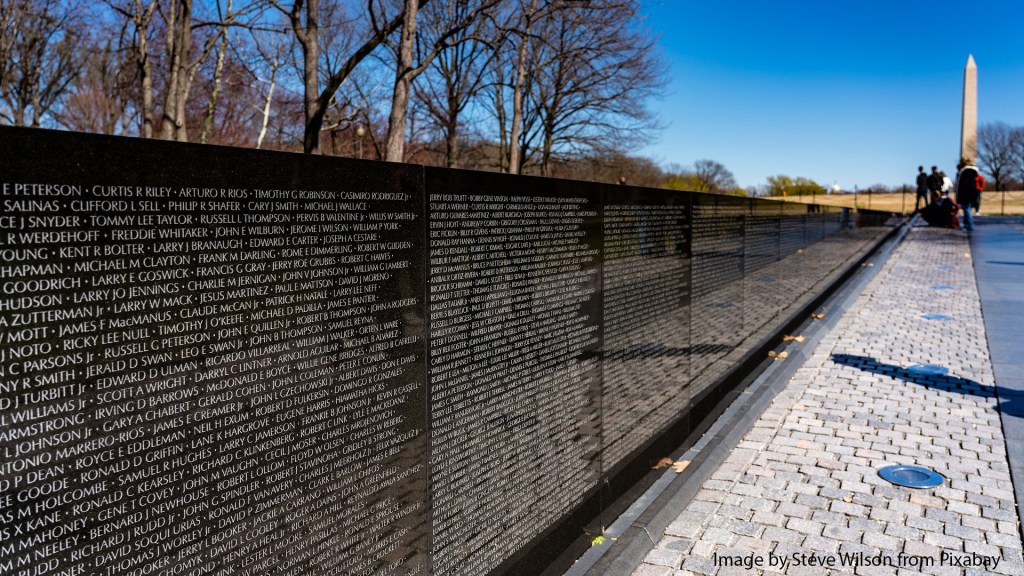
During my first visit to the Vietnam Memorial Wall in 1989 on Veterans Day, it was so intense and inspiring that I decided to write and direct a theatrical play in the surrounding park about the influence of the Vietnam War on those of us who served there and those who remained at home. I contacted the National Park Service to find out what applications were necessary.
I planned to produce, direct, and write a play performed at the wall on Veterans Day 1990. I wrote the play and began searching for the performers. I met someone who became a friend who said she knew former Marine Ron Kovic. During the Vietnam War, he was paralyzed and struggled to understand his sacrifice and become an articulate anti-war activist.
The movie from 1989, Born On The Fourth Of July, directed by Oliver Stone and starring Tom Cruise, Willem Dafoe, and Kyra Sedgwick, depicted the true story of Ron Kovic.
My friend gave me Ron’s phone number, and I called, and he answered the phone. He was friendly and generous with his time. I described what I had in mind for the play and asked his thoughts and feelings about the project. He said that he believed that it was a good idea, and I could feel free to use his name in any supportive way.
I found many professional and amateur people interested in participating. I found a choreographer, musicians, and more.
Unfortunately, I was unable to arrange for the play logistically. Nonetheless, I met many wonderful people, including Ron Kovic, who believed in this theatrical performance and the value of embracing the warriors and people who continued life at home who all struggled with understanding the essence of war.
Recently I was visiting the city where I was considering relocating before the governor mandated wearing masks. I walked into the Visitors Center sans a mask. The receptionist offered a free cover from a small box.
Whenever I was in public wearing a mask, I placed one on in front of a mirror to get a tight fit over my mouth and nose.
She watched me fumble with the mask with an amused expression. I initially began with it covering my eyeglasses, then having got it caught on the frames of the glasses. I lowered the mask over my nose and around my mouth.
After an awkward repositioning, I finally had the mask on adequately. During this time, I was distracted by the loud music coming from her computer. Why I wondered, she did not turn down what I thought was a music video.
Once I felt comfortable with the mask on and began asking her some questions about the area, including nature and wildlife photography opportunities, I suddenly realized that music video was coming from the cell phone that I placed on the table to put on my mask. I had a renewed appreciation of her calm, smiling patience.
In the future, I’ll bring in the mask I keep in my car, and I will place it on in front of the vanity mirror before going into a public place. Additionally, I’ll be sure to turn my phone off.















 stephenbrunoblog.com
You must be logged in to post a comment.